

The "Human Embryology" (人体胚胎学) is a science that studies the normal human development as well as birth defects in the maternal uterus.
- Bridges the gap between prenatal development and obstetrics, perinatal medicine, pediatrics and clinical anatomy
- Develops knowledge concerning the beginning of life and the changes occurring during prenatal development
- Builds an understanding of the causes of variations in human structure
- Illuminates clinically oriented anatomy and explains how normal and abnormal relations develop
- Supports the research and application of stem cells for treatment of certain chronic diseases
Our better understanding of “Human Embryology” will result in new techniques for prenatal diagnosis and treatment, therapeutic procedures to circumvent problems with infertility, mechanisms to prevent birth defects and the leading cause of infant mortality.
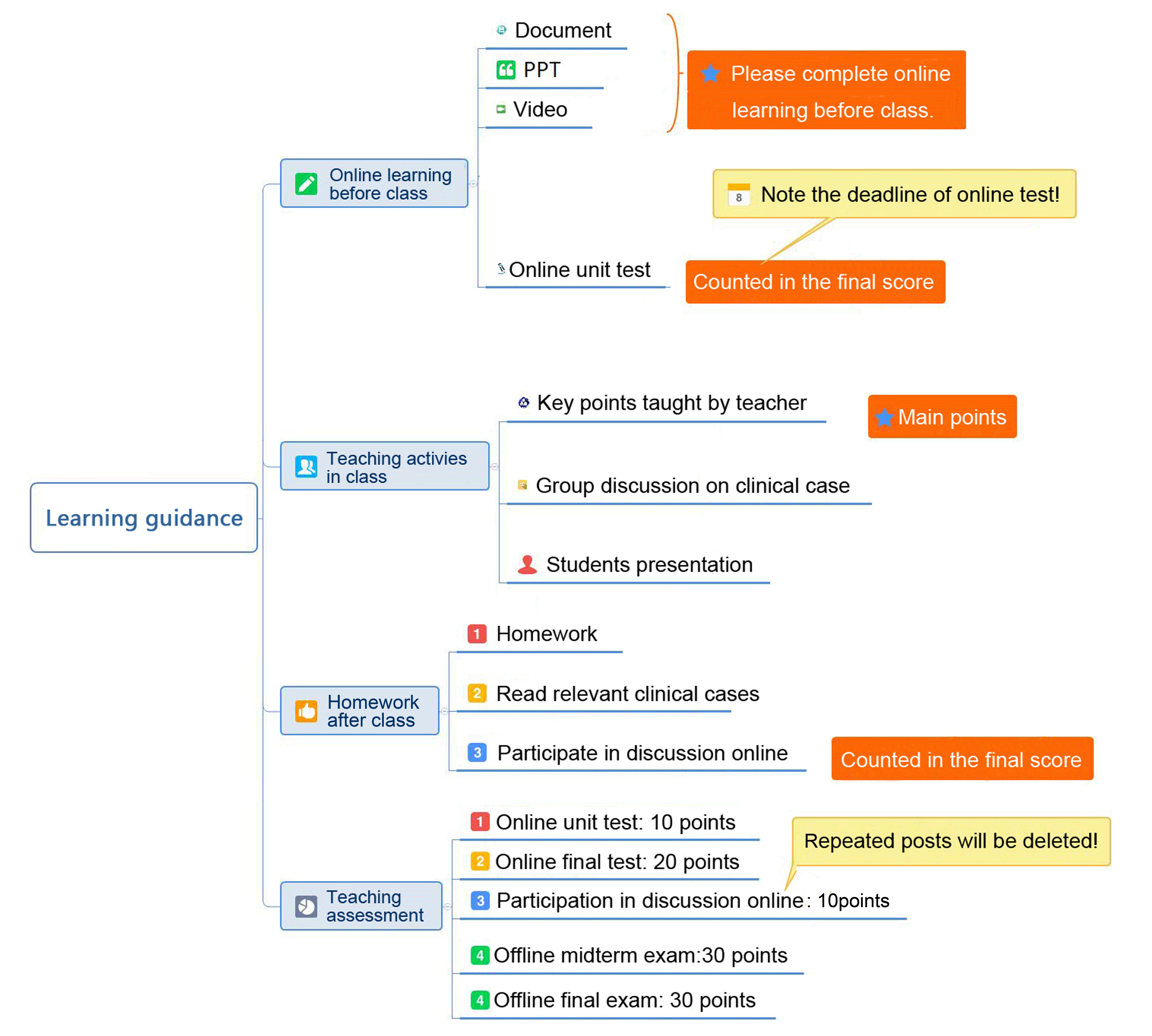
Before starting this course, please read the learning guidance sheet carefully!
(Note: The criterion of course scoring in the learning guidance sheet is the scoring criterion for blend teaching of offline course. Please refer to certificate requirements for online course scoring criterion.)
人体胚胎学是研究人类个体发生与器官形成过程的科学,即从一个受精卵通过分裂增殖、细胞分化及形态发生与演变,形成具有特定形态的胎儿的科学。研究内容包括生殖细胞发生、胚胎发生、发育过程、发育机理;胎儿与母体的关系;畸形发生、畸形发生的可能原因及预防措施;人类生殖工程技术与胚胎发育的研究方法。
人体胚胎学课程的教学目的是使学生获得人体胚胎学基本理论和基本知识,以科学的观点理解生命的发生与演变,对于指导人类生育与优生具有极其重要的理论意义。在医学科学中,人体胚胎学与细胞生物学、生理学、遗传学、病理学等基础学科间都存在着内在联系,也为妇产科学、儿科学、男性学、生殖工程学等临床学科提供了必要的基础知识,更是计划生育与优生优育赖以发展的学科之一。
本课程围绕临床案例学习相关专业知识,培养学生应用理论知识分析解决实际问题的能力,并在专业课教学中融入生命教育,将思政教育理念传递给学生,培养学生珍爱生命的意识,加深对生命的理解和探究,引领学生探索奇妙的生命世界。本课程主要适用于临床医学五年制和长年制学生,同时兼顾预防医学、口腔医学、护理学等不同专业、不同学制学生以及在职的医疗卫生工作者和对人体生理感兴趣的人士。
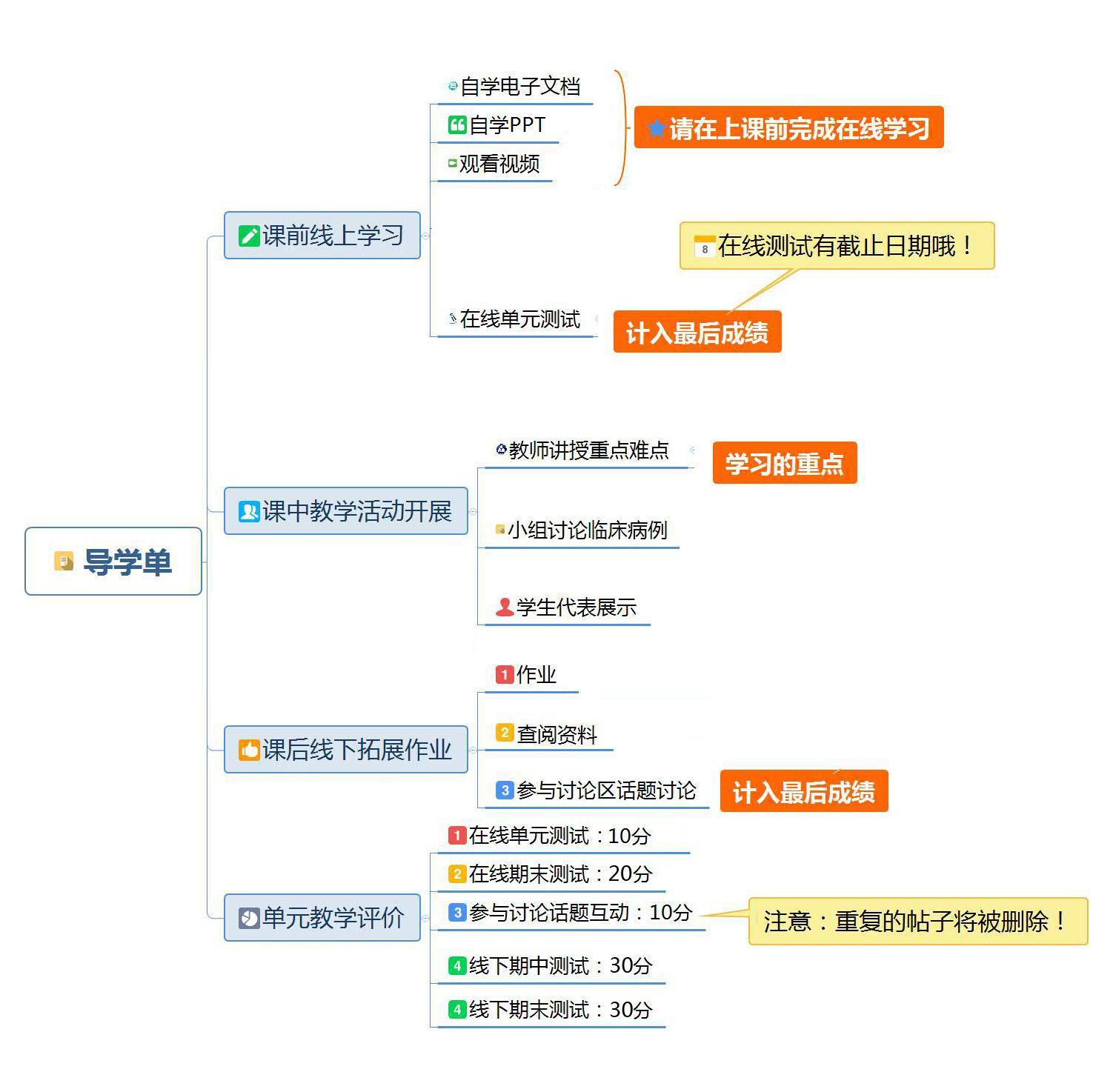
开始本课程学习前,请仔细阅读导学单:
(注:导学单内的课程赋分标准为线上线下混合式教学课程的赋分体系,线上课程的赋分体系请参照证书要求。)
Week 1 Introduction of Human Embryology
1.1 What is human embryology?
1.2 Brief history of embryology
1.3 Advances of modern embryology
1.4 What is teratology?
1.5 Papers about advances in Embryology
1.6 From Minamata Disease to environmental health studies
Zhuantaiwan and sexual differentiation
Week 2 Gametogenesis and fertilization
2.1 Spermatogenesis
2.2 Oogenesis
2.3 Fertilization
2.4 Mind map of Gametogenesis and fertilization
Test for week 2
Week 3 First week and second week of development: Cleavage to implantation
3.1 Clevage
3.2 Implantation
3.3 Supplementary: Embryonic stem cell
3.4 Mind map of general embryology
Test for week 3
Week 4 Third to eighth week of development: Gastrulation and differentiation of trilaminar disc
4.5 Induction of the primitive streak
4.6 Neural induction
4.1 Gastrulation
4.2 Derivatives of ectoderm
4.3 Derivatives of mesoderm
4.4 Derivatives of endoderm
4.7 Supplementary:Teratogenesis associated with gastrulation
4.8 Mind map of gastrulation and differentiation of trilaminar disc
Test for week 4
Stress and hair turning white
Week 5 Fetal membrane and placenta
5.1 Fetal membrane-Amnion
5.2 Fetal membrane-Yolk sac and allantois
5.3 Fetal membrane-Chorion
5.4 Fetal membrane-Umbilical cord
5.5 Placenta
5.6 Twins
5.7 Supplementary: HIV and placental barrier
5.8 China\'s beloved baby doctor--Dr. Qiaozhi Lin (Teaching case for ideological and political education)
5.9 Mind map of fetal membrane and placenta
Test for week 5
Limits of placental function
Week 6 Development of the head and neck
6.1 Development of branchial apparatus
6.2 Development of face and malformations
6.3 Development of palate and cleft palate
6.4 Lessons for drug safety and regulation: Thalidomide tragedy
6.5 Supplementary:Sonic Hodgehog and craniofacial development
Week 7 Development of the digestive and respiratory system
7.1 Development of primitive gut
7.2 Derivatives of forgut and clinical correlations
7.3 Derivatives of midgut and clinical correlations
7.4 Derivative of hindgut and clinical correlations
7.5 Development of respiratory system and clinical correlations
7.6 Development of digestive glands and clinical correlations
7.7 Mind map of development of digestive and respiratory system
Test for week 7
Assignment: Congenital megacolon
Week 8 Development of urogenital system
8.1 Primordium of urogenital system
8.2 Development of kidney and ureter and clinical correlations
8.3 Development of bladder and clinical correlations
8.4 Development of gonad and clinical correlations
8.5 Development of genital duct and clinical correlations
8.6 Supplementary: Germline stem cell (Xiaoli Zhang)
8.7 Supplementary: Sox9 and Sex determination(Jing Hao)
8.8 Mind map of development of urogenital system
Test for week 8
Week 9 Development of cardiovascular system
9.1 Establishment of primitive cardiovascular system
9.2 Partitioning of atrial septum and clinical correlations
9.3 Partitioning of ventrical septum and clinical correlations
9.4 Partitioning of truncus arteriosus and bulbus cordis and clinical correlations
9.5 Fetal circulation and circulatory changes at birth
9.6 Supplementary: Advances in intrauterine intervention therapy
9.7 Mind map of development of cardiovascular system
Test for week 9
Week 10 Development of nervous system
1. Histological differentiation of the spinal cord
2. Development of Spinal Meninges and myelination of nerve fibers
3. Development of the myelencephalon
4. Development of the metencephalon
5. Development of the mesencephalon
6. Development of the diencephalon
7. Development of the telencephalon-1
8. Development of the telencephalon-2
Appendix 1:Apoptosis/Autophagy and embryonic development
1-Introduction of apoptosis
2-Auophagic cell death, pyroptosis and ferroptosis
3-Cell death genes that contribute to the apoptotic pathway
4-Caspases in the apoptotic pathway
5-Apoptotic pathway in the developing nervous system
6-Prospect of autophagy
Appendix 2: The baby with three parents
The baby with three parents
Appendix 3: Genomic imprinting
Genomic imprinting


